You understand the physiology. So why doesn’t your body feel safe?
This is a gentle space for high-functioning helpers and wounded healers who are tired of intellectually understanding their stress, but still feel unsafe, tense, or exhausted in their own skin.
👥 Do you find yourself stuck in an underlying, invisible state of nervous system alarm?
You might be a helping professional — such as a nurse, carer, counsellor, therapist, or a space holder who trains, teaches, or coaches others. Or perhaps you’re the “strong one” who spends life looking after everyone else.
🌱 You cannot think your way out of physical exhaustion, somatic anxiety, or panic.
Your system needs to feel safe.
That often means stepping back and starting small. For example:
Somatic shaking to release energy if you’re anxious.
Gently tapping or patting your body if you’re feeling dissociated.
These actions tell your body: “I’m here, and I’m safe enough to start.”
This is where micro-skills come in — the simple, consistent practices that help your body return to safety, presence, and awareness. Skills such as:
Orienting: Helps you feel present and safe (e.g. “I’m here now”).
Grounding: Connects you to your body and surroundings.
Centring: Brings balance and steadiness within.
Gentle movement: Releases built-up energy.
Simple breathing exercises: Helps restore balance and rhythm.
Mindful self-check-ins: Noticing how you feel after regulating.
It follows the natural arc of regulation:
→ External safety (orienting, grounding)
→ Internal balance (centring, movement, breathing)
→ Self-awareness and integration (check-ins)
You can’t skip this step.
Micro-skills might seem simple, but over time they build psychoemotional resilience — the kind that allows your body to start trusting safety again.
On the first Monday of each new calendar month, I send out a monthly Grounding Guide which gives you clear, accessible, and grounded insights to move from just knowing about your anatomy to actually feeling a genuine sense of physical safety.
📈 Readers & listeners have reported:
Reduced self-criticism:
”I don’t fall into self-criticism now.””/ “I’m less self-critical nowadays.”Increased self-kindness:
”I have learnt to be kind to myself.” / “I’m kinder to myself than I used to be.”Staying with feelings:
”I’m slowly able to stay with what is in my body without fleeing.” / “I’ve reassured the feeling that it’s absolutely OK to be there.”Improved body trust:
”I trust it’s doing what it needs to do.” / “I’m slowly learning to trust myself and my body.”Using grounding in real life:
”I use your recommendation to ground myself by feeling my feet on the floor often.” / “Just feeling my feet on the ground is such a supportive anchor.”Choosing rest:
”I finally listened to my body.” / “I booked some leave.” / “I took the day off to just be.”Speaking up for their needs:
”I said I needed to move around.” / “It felt like progress.”Reduced fear around symptoms:
”I don’t panic anymore.” / “I no longer believe my body is against me.”Greater presence:
”I can feel freely and think clearly.” / “I feel calmer now.” / “I breathe more deeply and relax.”Letting go of perfectionism:
”Stillness is what I need most.” / “Learning to let go of that.”Trusting their own pace:
”I’m trying to be okay with how slow things are going.” / “Gentle, slow changes.”
🧩 The Big Pattern I Constantly See
Looking across all two years of me being here on Substack (and the—almost thirty—years that I’ve been an embodied facilitator), the strongest recurring outcome from subscribers, followers, and clients hasn’t been: “I learned nervous system regulation.”
It’s: “I stopped fighting myself.”
Move from:
🛑 Self-criticism → 🌱 Self-compassion
🛑 Urgency → ⏳ Slowing down
🛑 Fixing → 👀 Noticing
🛑 Fear → ⚓ Trust
🛑 Overwhelm → 🗺️ Grounding
🛑 Abandoning yourself → ❤️ Staying with yourself
⚓ Who I am to guide you? (+ my story)
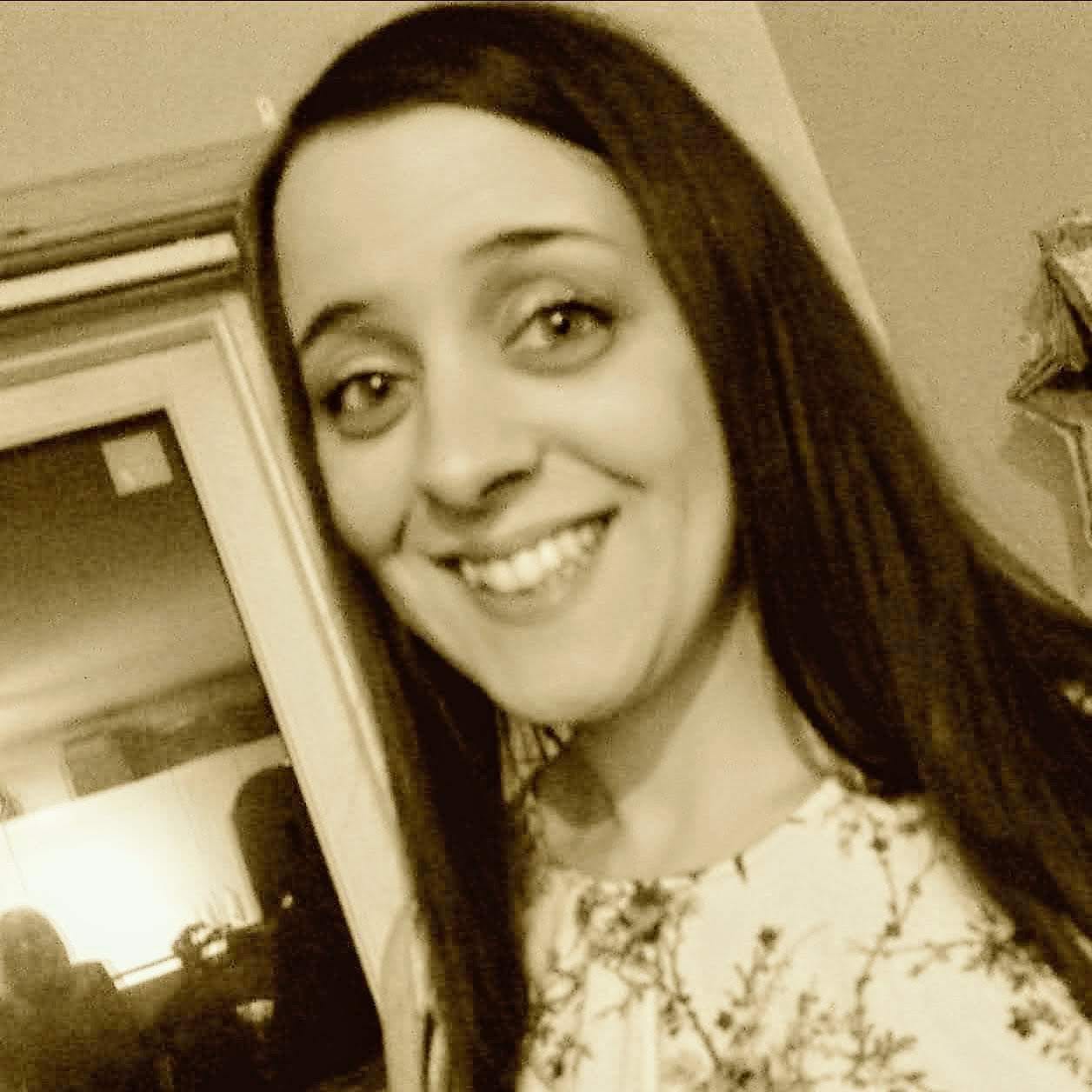
Professionally:
I’m a former Adult Registered Nurse turned Nervous System Educator. I chose to study the Art of Nursing, which was once a specialised degree pathway at the Robert Gordon University in Scotland (phased out post-2009 as UK nursing education transitioned into integrated all-graduate degrees).
The pathway focused on:
Patient and family-centred care (the importance of empathy, shared decision-making, and respecting the family’s vital role in holistic care)
The expressive arts in the caring context (how art, music, and play can be used as therapeutic tools in health and social care)
Therapeutic communication in healthcare (a blend of core counselling skills and coaching skills)
I’m not someone who has ever felt comfortable talking about my achievements, but I feel that my training is an important part of my story, because holistic wellbeing for psychosocial care was quite pioneering for its time. It was neither fully rooted in traditional science, nor mental health nursing, but sat somewhere in between. When I look back at my career history full circle, those foundations were what built the house (as my old nursing tutor used to say). And those foundations now underpin everything I do today.
Applied Practice:
Before going on to specialise in nervous system regulation, I spent two decades working in the helping professions — including community care, a learning disabilities daycare centre, care of the elderly, a day hospital for the elderly, acute medical and surgical hospital wards, a day surgery unit, and theatre (I believe that’s operating room for those of you over the pond).
Eventually, I went on to manage an area services team for cancer support, and a community emotional support & wellbeing centre, with a caseload of over 200 clients.
Personal Experience:
Lastly, but most importantly, I’ve been on the receiving end. Now in my forties, I’ve spent years exploring embodied practices to navigate my own health struggles. I started meditating in 1997 as a relaxation tool for coping with exams and, as I liked it so much, I became a meditation facilitator… which over the next almost thirty years led me to further my training in mindfulness, MBSR, embodiment, somatics, and nervous system regulation.
This was my way of making sense of a lifetime of cumulative stress (rooted in trauma), chronic illnesses, and a nervous system shutdown that left me bedbound at fifteen.
Today, I share with you the same tools that I used to navigate and heal my own journey. I don’t offer rigid 10-step routines or clinical jargon. I intentionally offer everyday, gentle ways to work with your physiology so you can finally helper-proof your own body.
With Gratitude,
🙏 Dana x
💬 What Readers are saying
“When I need calm and presence, I seek you out. Your voice/tone settles me and your words guide me back to a place where I can feel freely and think clearly.”
— Subscriber & Fellow Space Holder
“Being able to take even 5 minutes to listen to your guided exercises has given me some much needed time to pause and a chance to just be still.”
— Subscriber navigating hEDS, PoTS & ADHD
“The way you invite presence without asking us to do anything with it feels so kind to the nervous system. This mirrors so much of what I try to offer in my own work, meeting ourselves gently, without performance.”
— Subscriber, Writer & Meditation Practitioner navigating Aphantasia
📬 What to do next?
→ Join a free growing community (*nearly* 1K followers & 200+ subscribers) learning to live safely in their bodies.